

Cutting-Less Cancer Care: A Patient’s Guide to Advanced IVR and RFA Treatments
1. Introduction: The Evolution of "Function-Preserving" Treatment
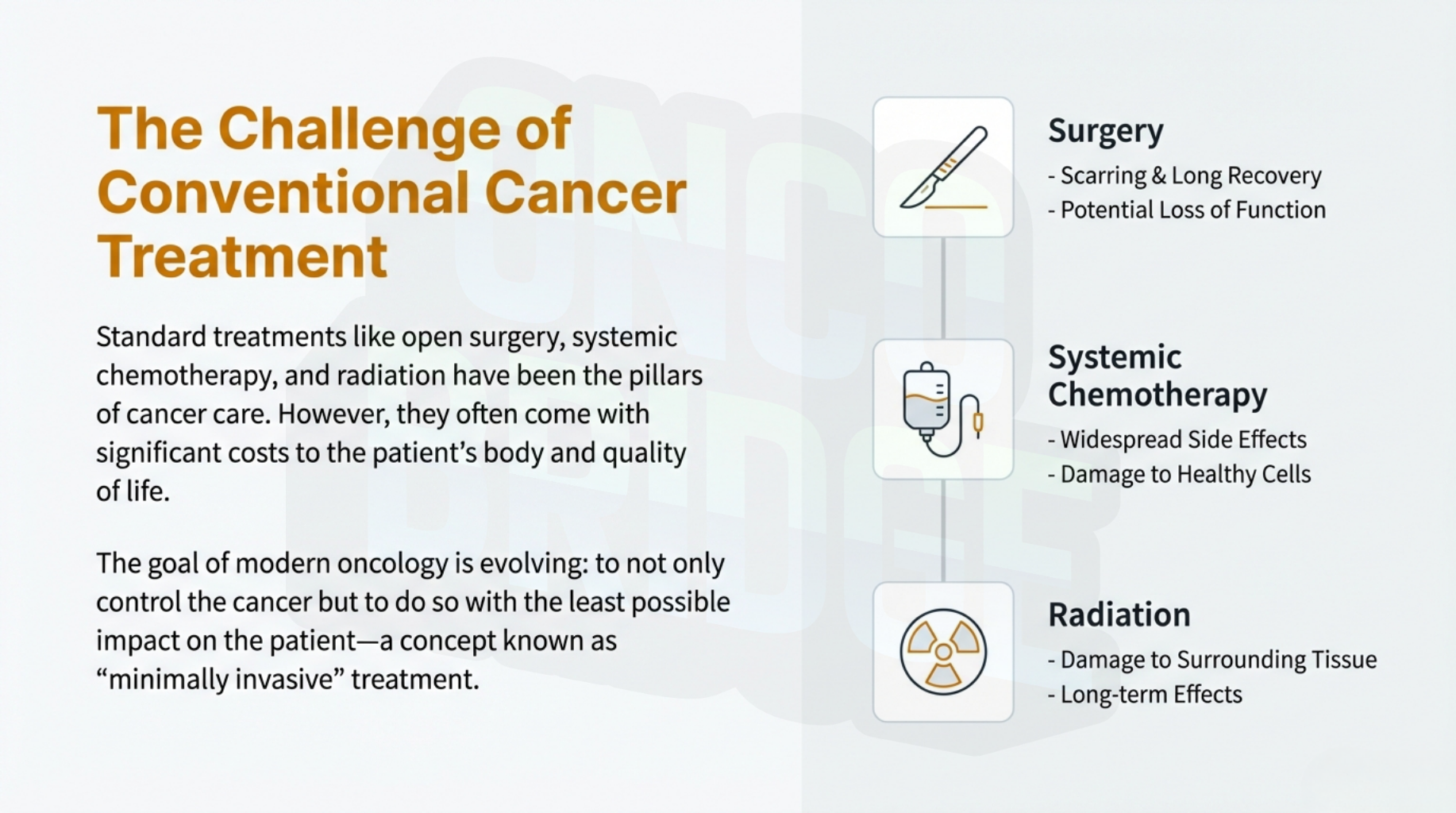
In traditional oncology, the primary objective has long been "resection"—the surgical removal of tumors. However, as a specialist in Interventional Radiology (IVR), I have seen how extensive surgery, while effective at removing mass, can leave behind a trail of physical and psychological challenges. Modern oncology is shifting toward a "function-preserving" philosophy.
This approach utilizes advanced imaging and minimally invasive techniques to treat cancer while protecting the body’s essential functions—like speaking, swallowing, and natural movement. For the international patient, "Cutting-Less" care means pursuing a non-surgical cure that prioritizes your quality of life, avoids major scarring, and maintains your daily independence.
2. Deep Dive: Targeted IVR for Head and Neck Cancer
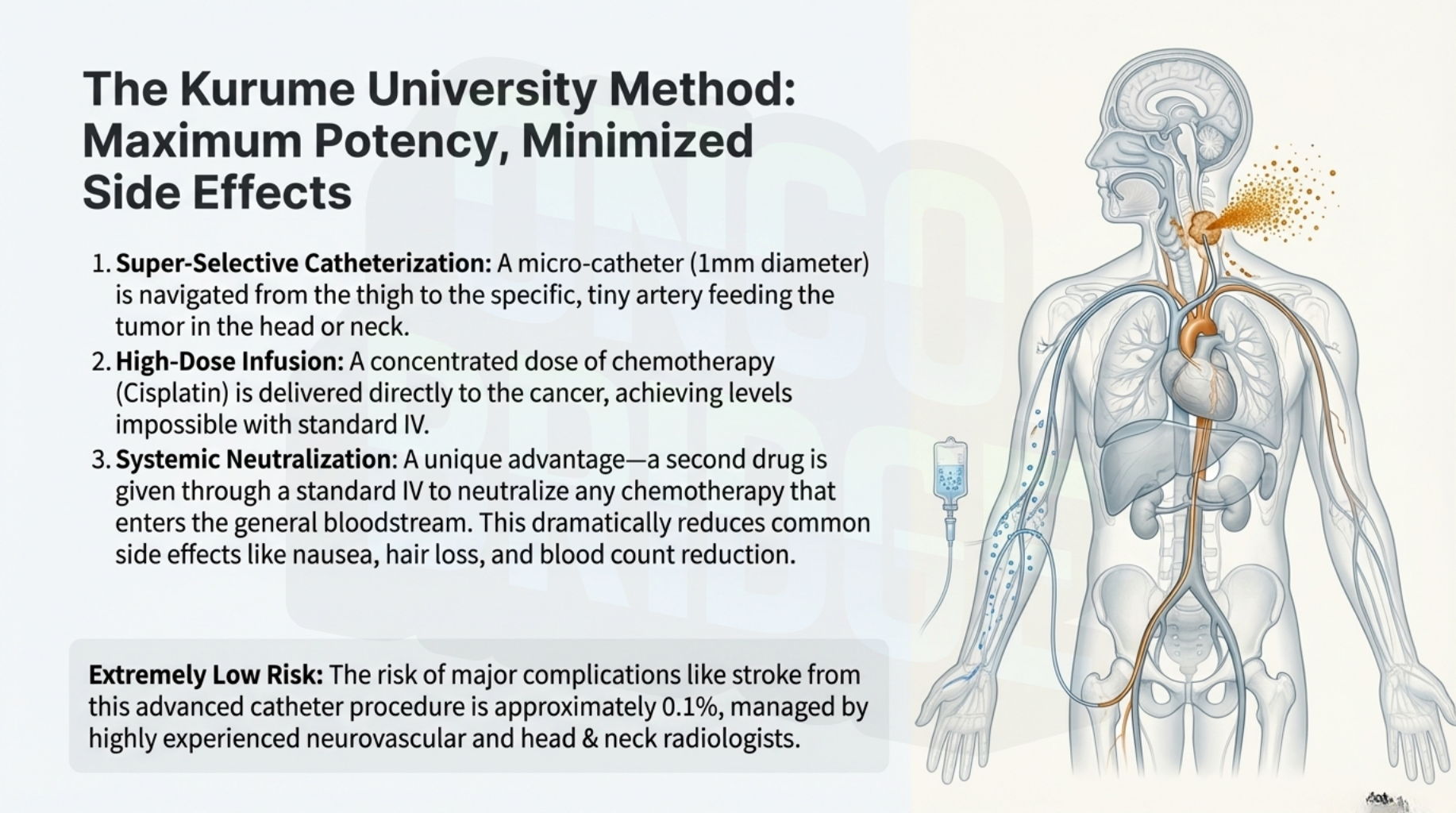
For cancers of the larynx, tongue, and oral cavity, surgery often involves resections that can permanently alter a patient's appearance and ability to communicate. The Kurume University team in Japan is a world leader in avoiding this through Super-selective Intra-arterial Chemotherapy, commonly known as "Dong-ju therapy."
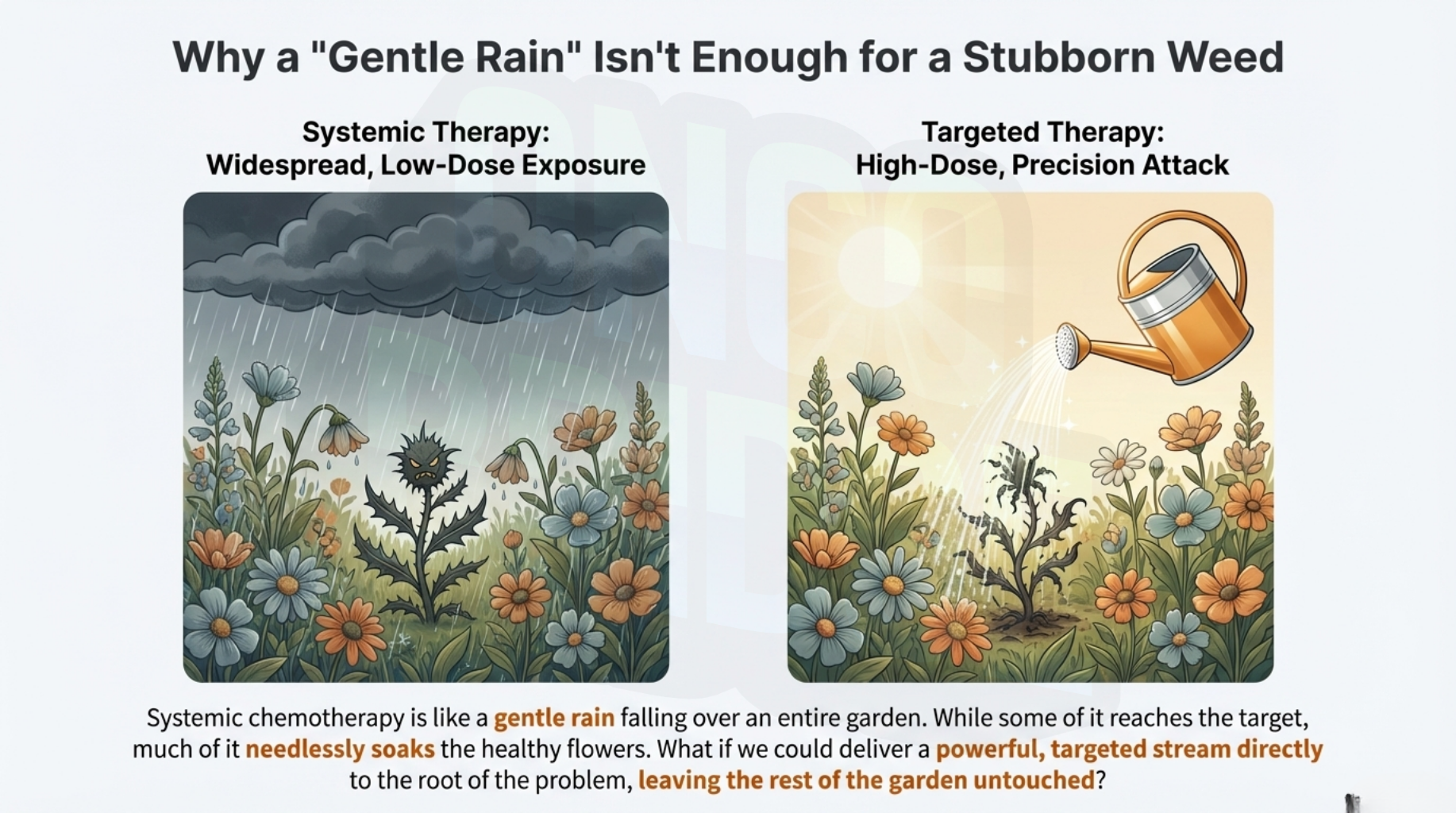
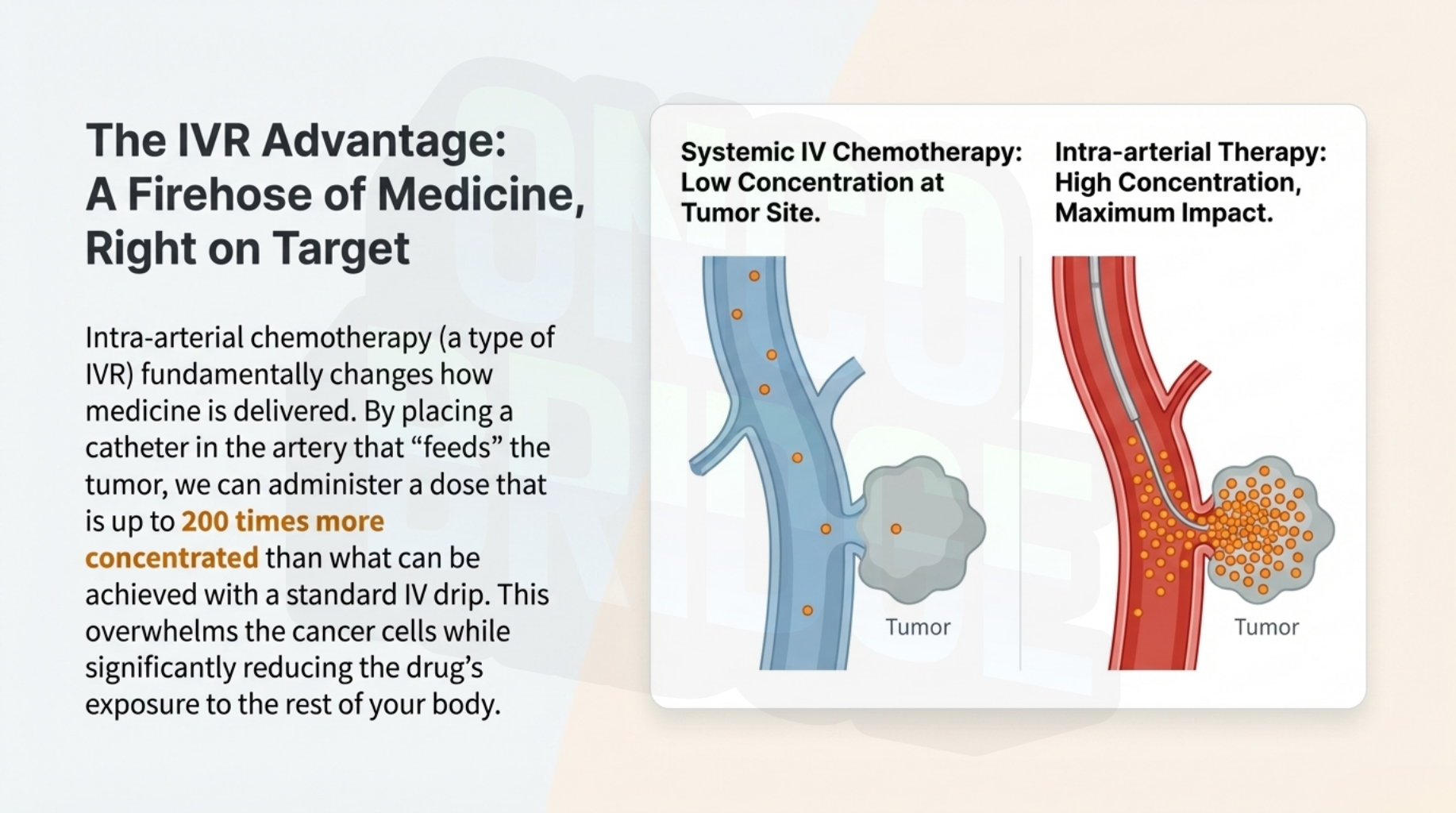
As a consultant, I often use a simple analogy to explain the power of this method: Standard systemic chemotherapy is like a leaky drip from a ceiling that eventually dampens everything in the room. Dong-ju therapy, by contrast, is like a powerful hose aimed directly at a single spot.
Comparison: Systemic vs. Super-selective Chemotherapy
Systemic Chemotherapy:
Delivery: Drugs are dripped into a vein, circulating through the entire body before reaching the tumor.
Concentration: Reaches the tumor in a highly diluted state.
Side Effects: High systemic toxicity (hair loss, nausea, low blood counts) because the drug affects healthy organs everywhere.
Super-selective Intra-arterial Chemotherapy (Dong-ju):
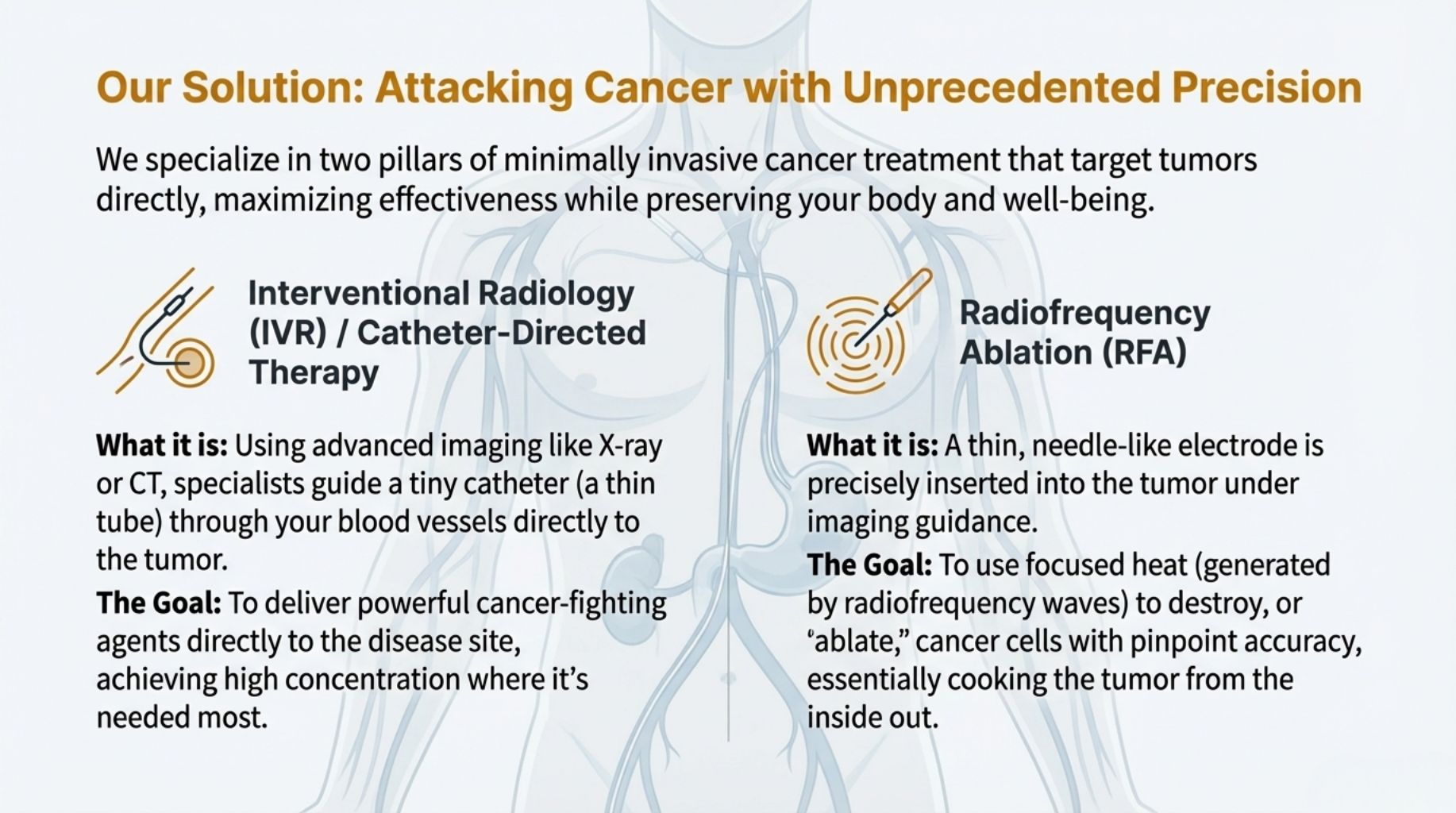
Precision: A 1mm catheter is navigated through the femoral artery directly to the tiny arteries feeding the tumor.
200x Concentration Advantage: This method delivers approximately 200 times the drug concentration compared to systemic injection.
Neutralizers: We utilize specific detoxifying agents (neutralizers) administered into the bloodstream to "mop up" the drug after it passes through the tumor, drastically reducing side effects.
The ultimate goal of the Kurume team is a cure that preserves the eye, tongue, and throat, ensuring you can still eat and speak clearly.
3. Precision Thermal Ablation: The Power of RFA (Radiofrequency Ablation)
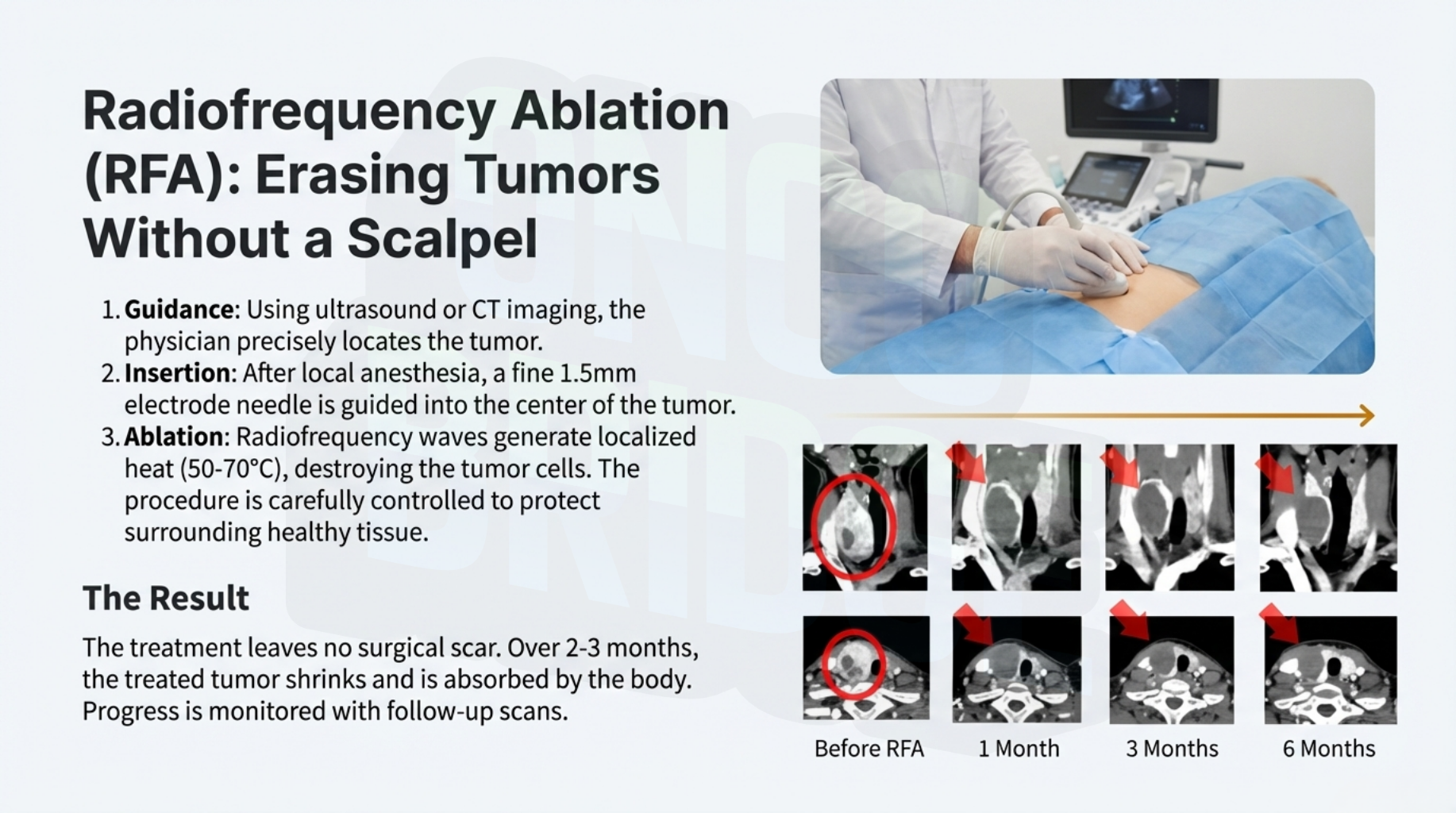
Radiofrequency Ablation (RFA) is a technique where we essentially "burn" the tumor using a 1.5mm needle electrode. Guided by ultrasound or CT, high-frequency current generates heat that causes coagulation necrosis of the cancer cells. This is performed under local or sedation anesthesia, leaving no surgical scars.
As specialists, we apply varying temperatures to ensure safety: 50–70°C for delicate areas like the thyroid to protect adjacent nerves and the esophagus, and 60–100°C for robust organs like the lung and liver.
OrganTargetsSuccess Criteria & Eligibility
|
Thyroid
|
Benign tumors, micro-papillary carcinoma, postoperative recurrence.
|
86–100% necrosis rate. Tumor shrinks and becomes inconspicuous within 2–3 months.
|
|
Liver
|
Primary liver cancer (HCC).
|
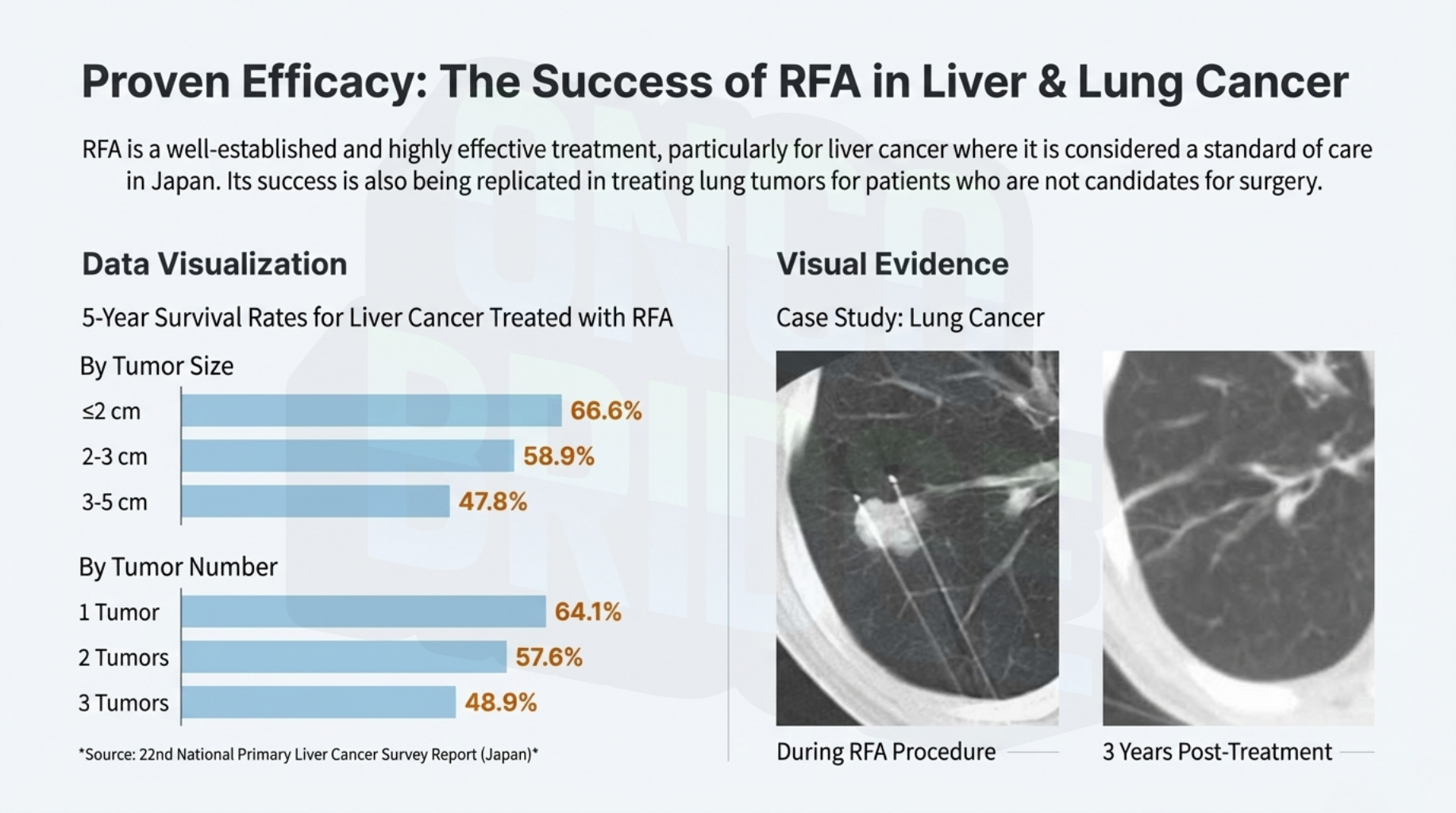
Standard: Child-Pugh A/B; size <3cm; count <3. Expanded: Can treat tumors up to 10cm or up to 20 nodules.
|
|
Lung
|
Primary and metastatic lung cancer.
|
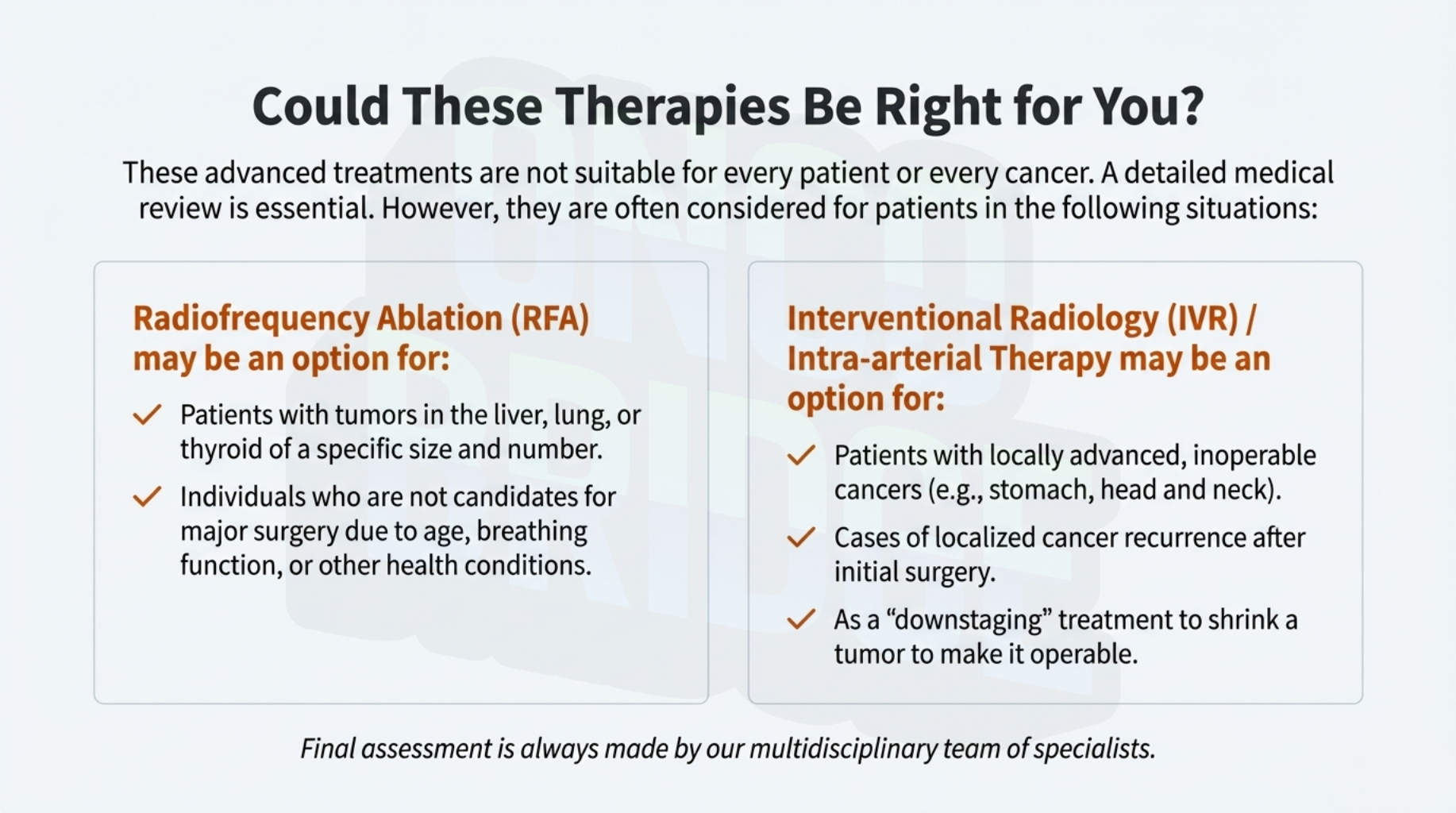
Ideal for patients unfit for surgery due to age, poor lung function, or comorbidities.
|
4. Specialized Localized Treatments: Stomach and Peritoneal Cancers
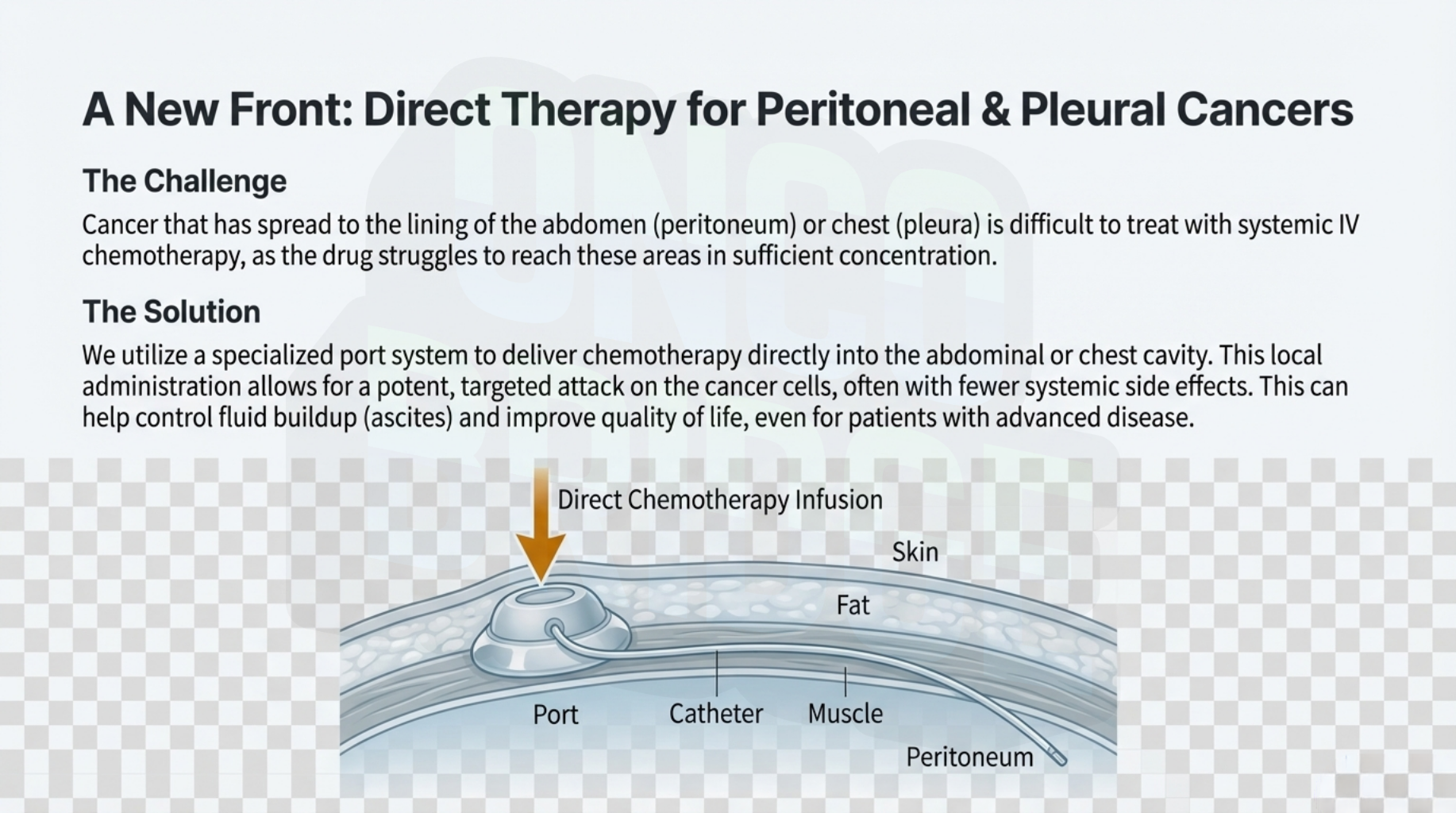
For stomach cancer, IVR specialists utilize Intra-arterial Chemotherapy (IACT) or TACE to deliver high-dose medication directly to gastric arteries. For patients where cancer has spread to the lining of the abdomen or chest (peritoneal or pleural metastasis), we use a specialized "Port System."
The 3 Main Benefits of the Port System:
Direct Delivery: Medication is delivered into the closed space of the abdominal or chest cavity, acting directly on cancer cells that systemic chemo often cannot reach.
Reduced Systemic Toxicity: Lower doses are required for high local impact, making it safe for patients over 90 years old.
Restored Function & The "Bridge" Effect: The treatment reduces ascites (fluid) and restores bowel movement. Most importantly, it acts as a bridge; by improving the patient's condition, they may once again qualify for standard systemic chemotherapy or surgery they were previously too weak to receive.
5. Clinical Efficacy and Patient Safety Transparency
The survival statistics for these procedures are excellent. For example, liver RFA shows a 1-year survival rate of 94–96%.
Patient Safety Transparency Trust is built through transparency. While minimally invasive, these procedures carry specific risks:
Common: Fever (a reaction to tumor necrosis), minor bleeding, or temporary local swelling.
Head/Neck Specific: There is a 0.1% risk of stroke. This occurs if a blood clot (thrombus) on the vessel wall is inadvertently displaced by the catheter near the cerebral arteries.
Recovery: Patients follow a strict imaging schedule (CT/Ultrasound) at 1 month, 3 months, 6 months, and 1 year to confirm tumor shrinkage and the absence of viable cancer cells.
6. Guide for International Patients: How to Consult
To determine if you are a candidate for these advanced Japanese IVR treatments, a formal medical review is required.
Consultation Checklist:
Medical Documentation: Recent CT/MRI/PET scans and medical records translated into Japanese.
Clear Objectives: Specify the desired treatment (Dong-ju IVR, RFA, or Port System).
Physical Requirements:
Mobility: Must be able to walk and use the restroom independently.
Organ Function: Stable levels (T-Bil < 2.0, Cre < 2.0, AST/ALT < 100).
Gastrointestinal Safety: No current Ileus (bowel obstruction); the patient must be able to consume food and water.
Respiratory Status: No severe heart failure or need for supplemental oxygen.
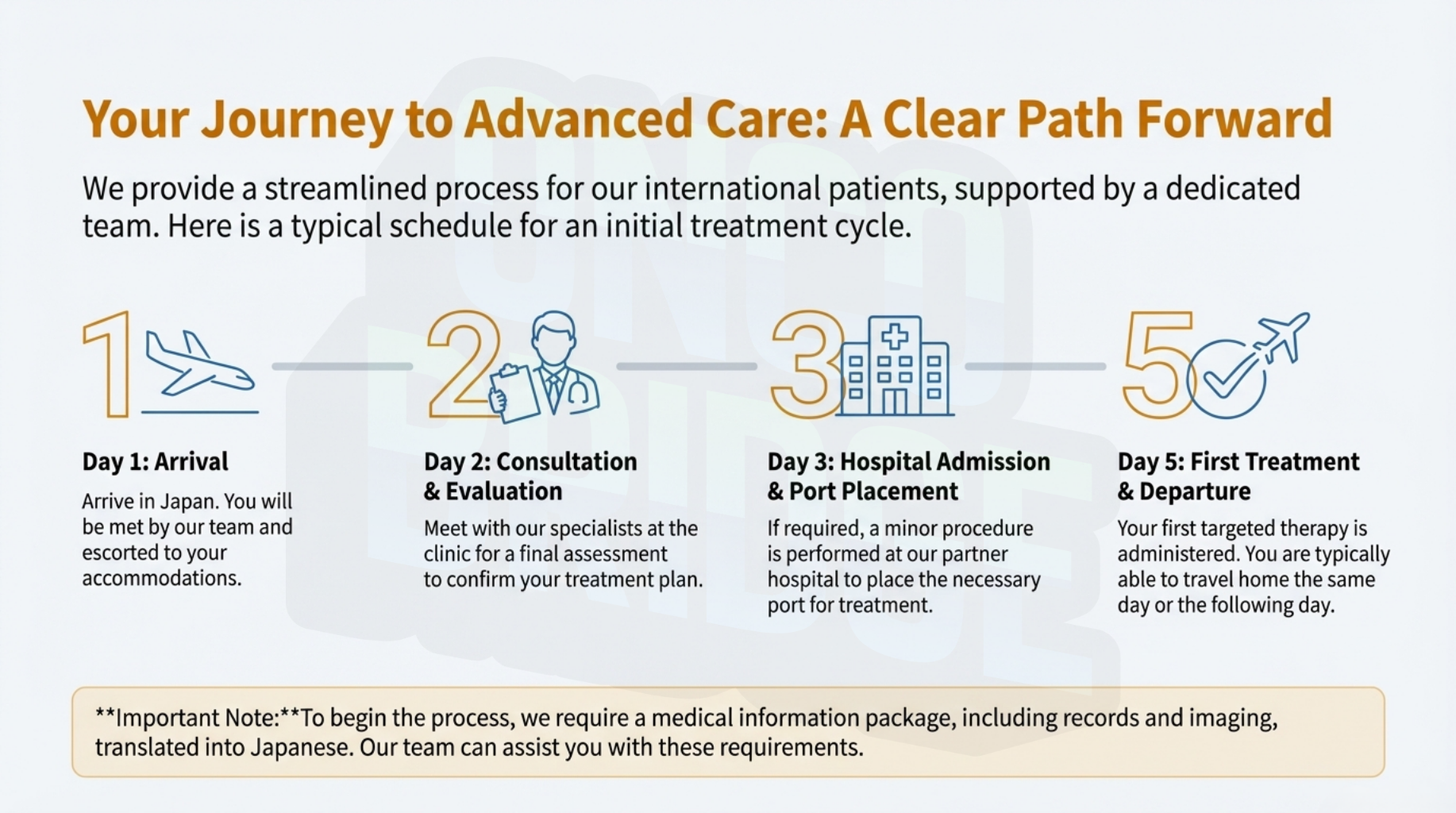
Typical 5-Day Schedule for Port Insertion:
Day 1: Arrival in Japan and transit to accommodation.
Day 2: Clinic consultation and suitability examination.
Day 3: Hospitalization and surgical insertion of the Port system.
Day 4-5: Monitoring and discharge. Most patients receive their first chemotherapy dose on Day 5 before returning home.
7. Conclusion and Inquiry Information
The "Cutting-Less" approach represents the pinnacle of patient-centered oncology. By utilizing high-precision Interventional Radiology, we target the cancer with devastating accuracy while protecting the essence of who you are.
For Direct Consultation:
Phone: 02-517-5117
Website: https://k-bio.ai.kr/
Disclaimer: This guide is for informational purposes only and does not guarantee treatment success. Medical decisions must be made in consultation with your primary physician and the specialized treating team in Japan.